Kevin Kinkade
Marine. Corporate leader. Author.
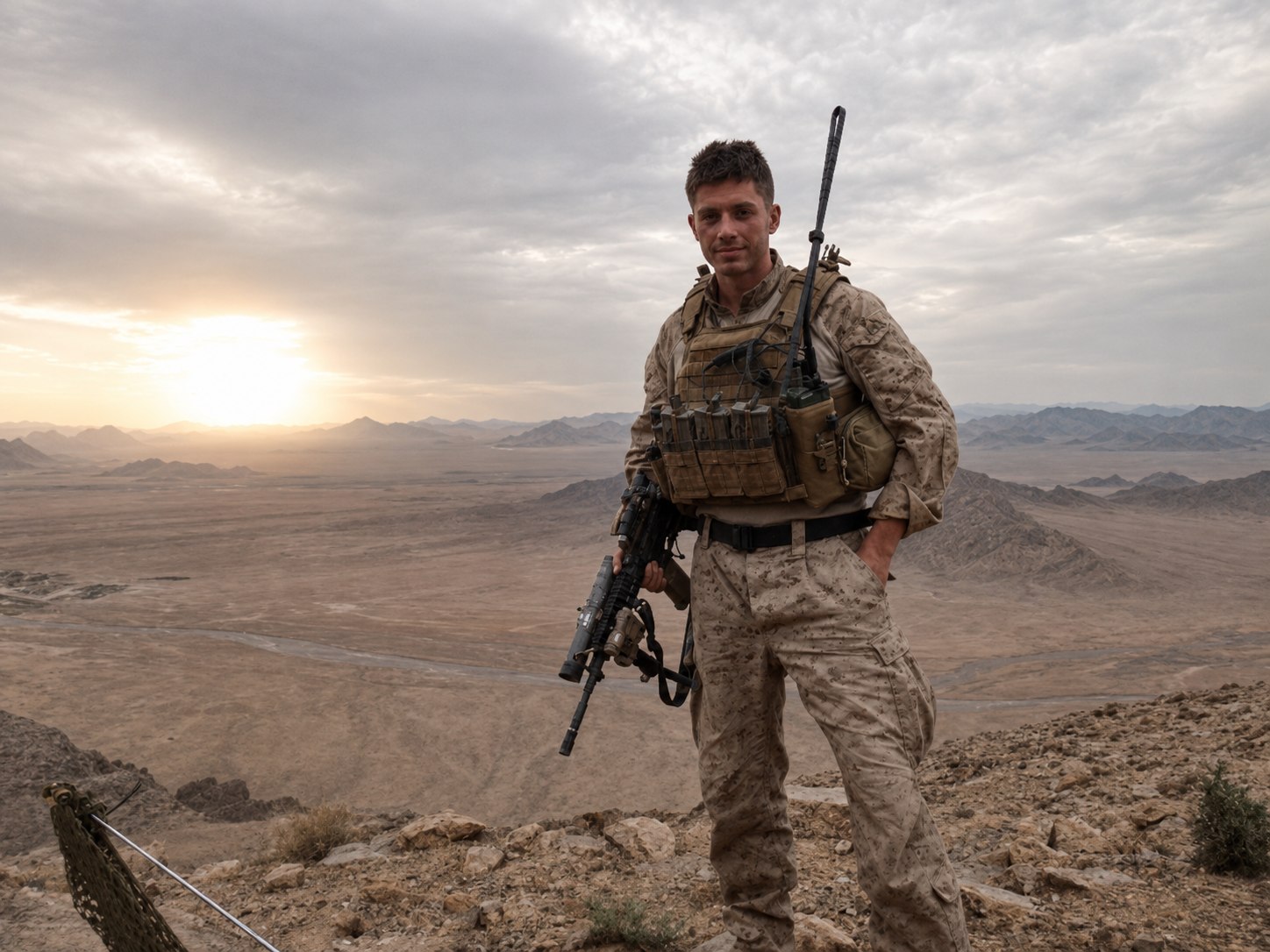
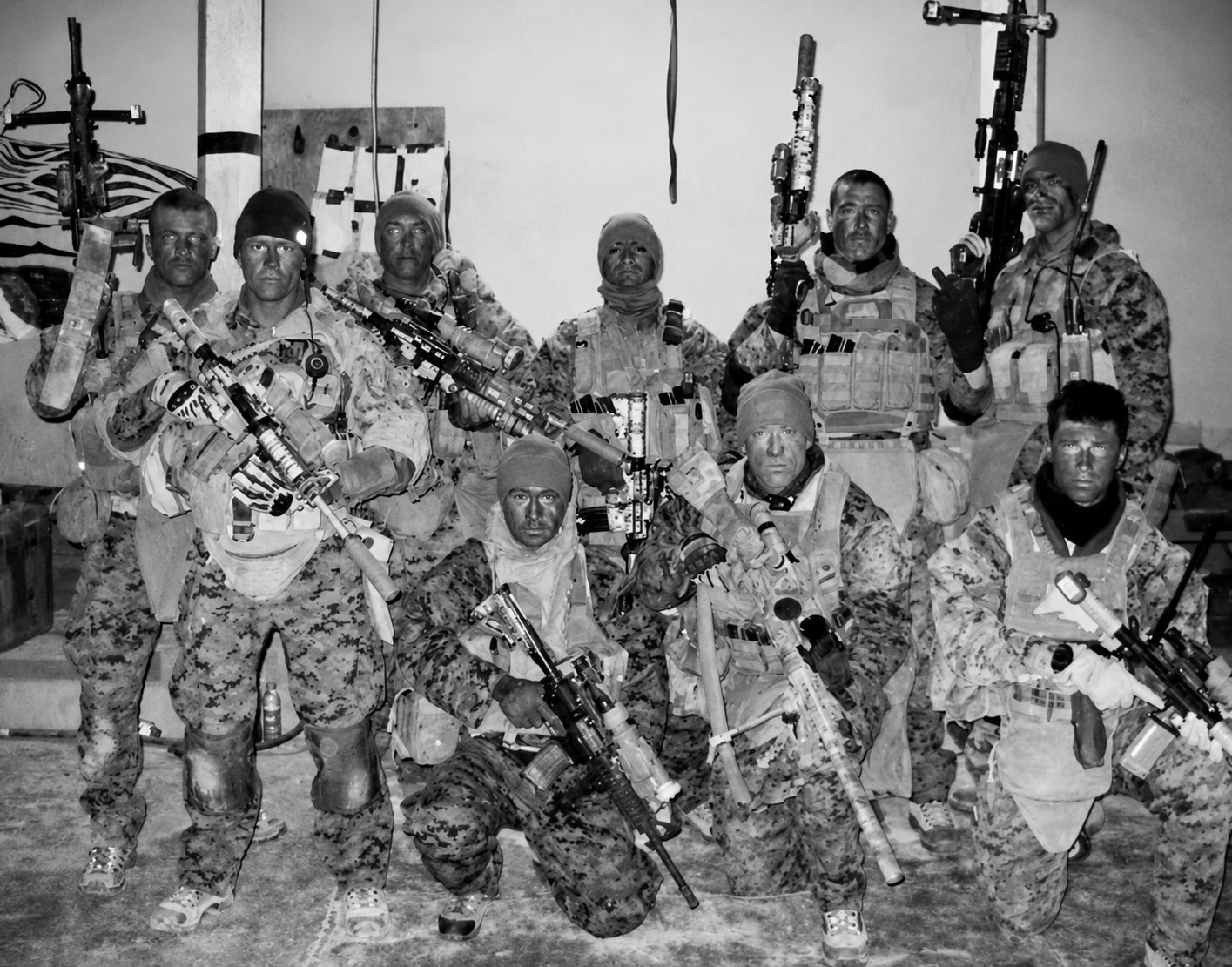
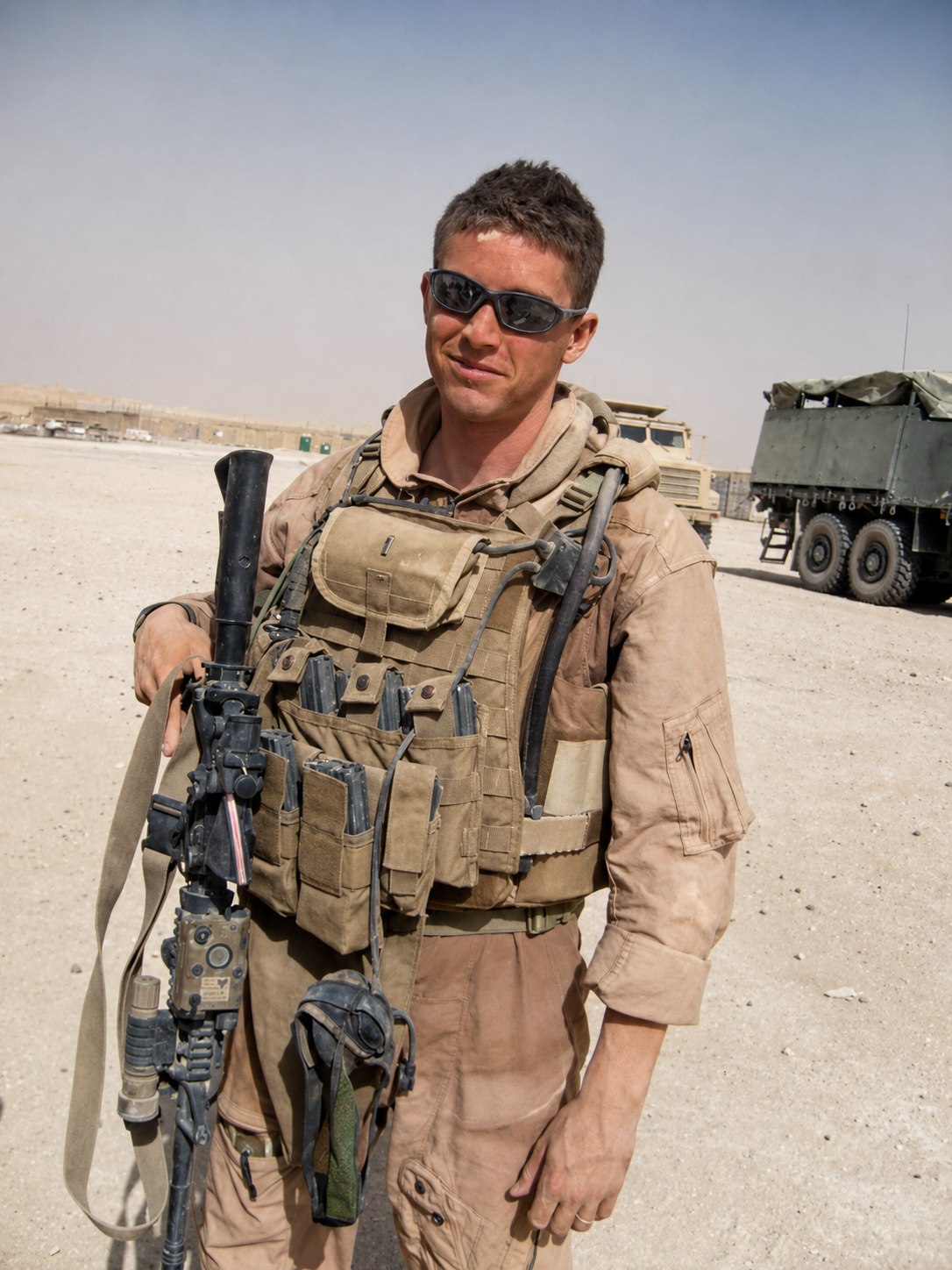
Kevin Kinkade spent eight years as a Marine Reconnaissance officer, leading some of the Corps' most selectively screened men through deployments to the Western Pacific, Iraq, and Afghanistan. He led three Recon platoons with 3rd Reconnaissance Battalion, served as Executive Officer of Charlie Company at 1st Reconnaissance Battalion, and commanded a platoon at 1st Force Reconnaissance Company. Along the way he earned supervisory qualifications held by fewer than one percent of Marine officers — Military Free-Fall Jumpmaster, Joint Terminal Attack Controller, and Combat Dive Supervisor.
On January 11, 2010, in Afghanistan's Helmand Province, his platoon — deployed with Task Force Raider under 3rd Reconnaissance Battalion — fought through the hardest day of his life: a team overrun on an isolated hilltop, and three of his Marines killed in action.
He started writing about it in country. Sixty pages in, when the story reached that day, he stopped. The pages sat for more than a decade.
Some stories take time to be ready to tell. This one took fifteen years.
In 2013 Kevin transitioned out of the Marine Corps into corporate America. What he found there surprised him: the same leadership problems, wearing different clothes. Teams that needed trust before they'd follow. Decisions that had to be made with incomplete information. People who deserved leaders willing to put them first.
The second career became its own climb: data and analytics at PwC, an award-winning innovation at First Republic Bank, building the portfolio analytics function at venture firm TCV, and today Senior Vice President at PIMCO, where he leads portfolio management technology for a roughly $200 billion alternatives business. He holds an MBA from USC's Marshall School of Business, completed MIT's Chief Technology Officer Program, and is a graduate of the United States Naval Academy — where he ranked first of 193 in the Marine officer assessment.
High Ground is the book those sixty pages became — a memoir of combat leadership and an honest accounting of what it translates to (and what it doesn't) when the stakes change from lives to livelihoods.